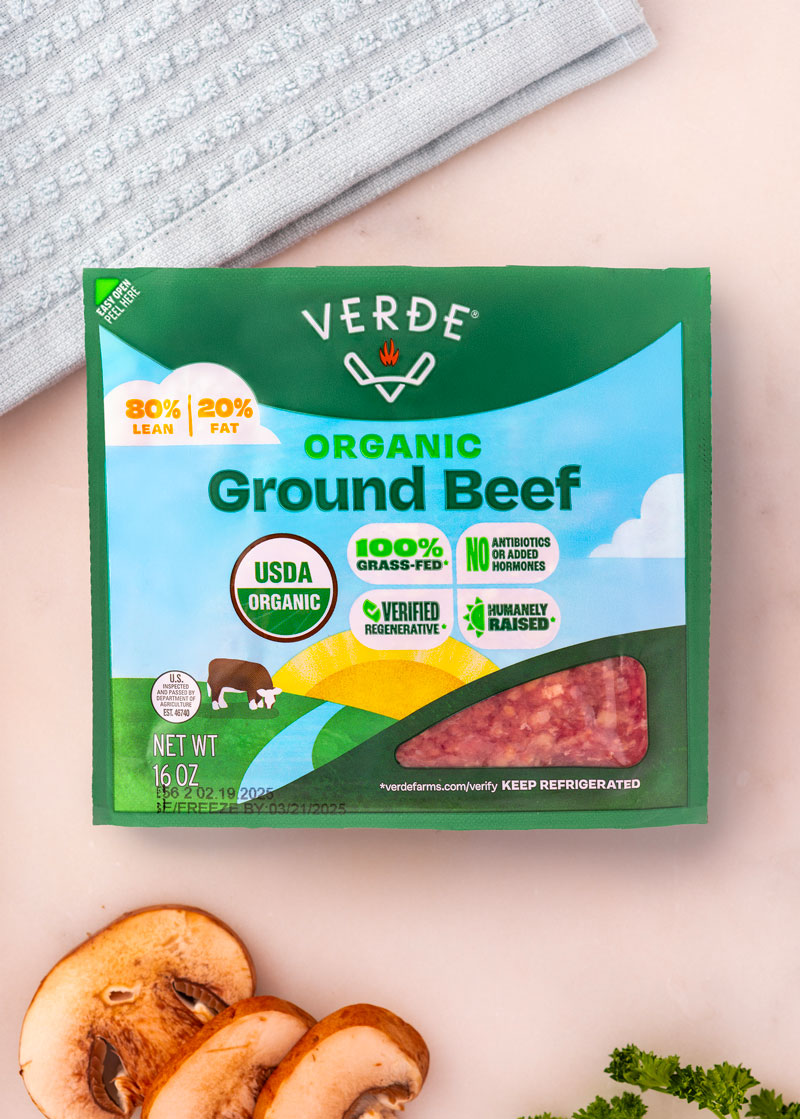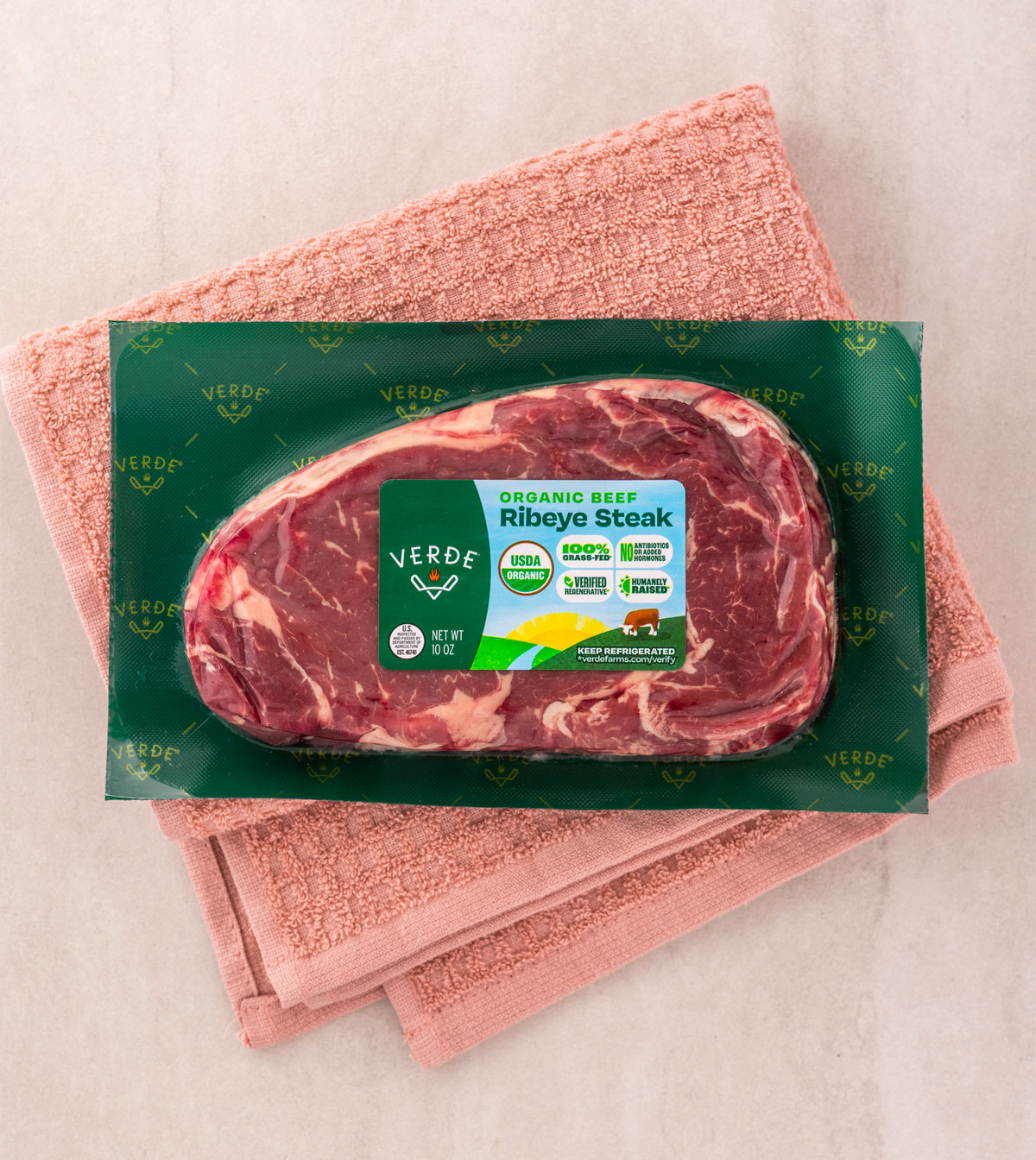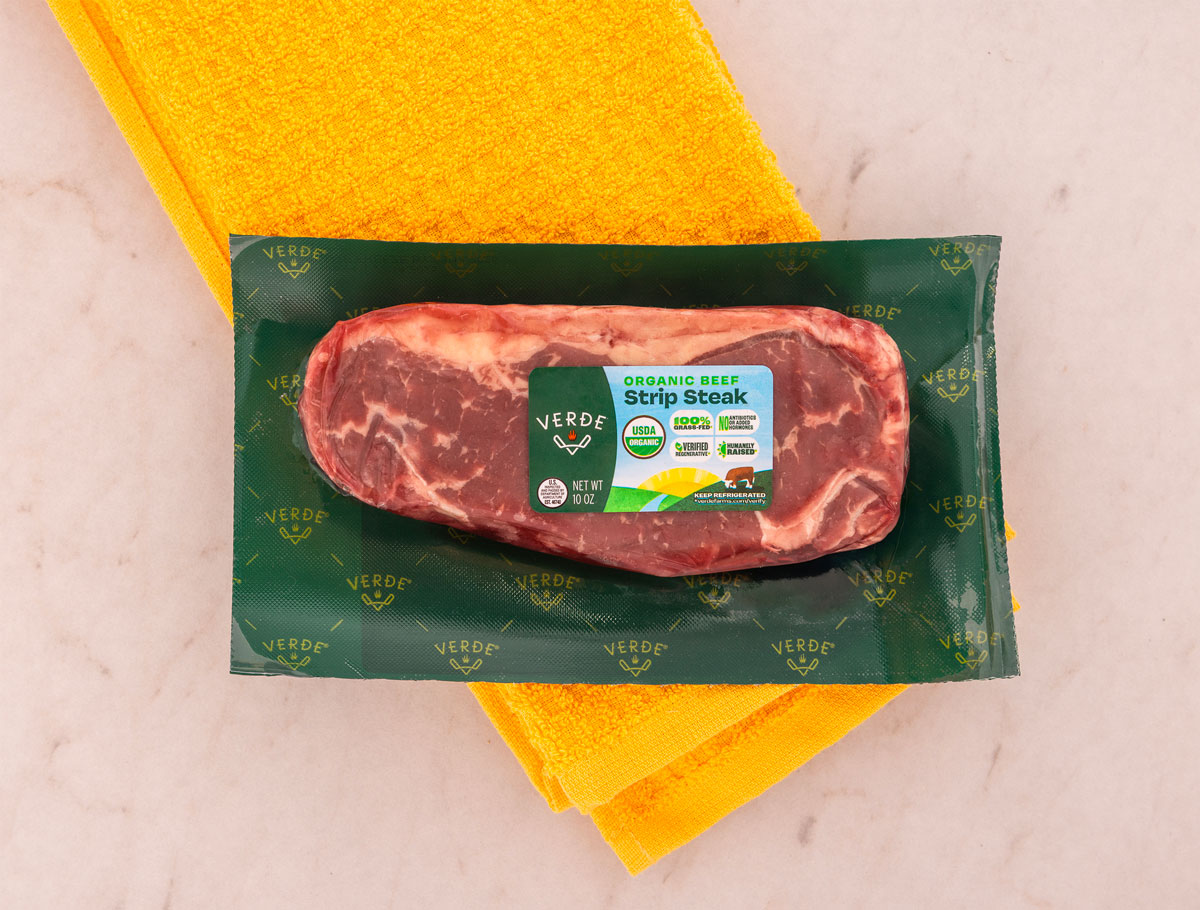

We could talk about food and cooking all day. It's important, however, to remember that food impacts more than just our taste buds. Today, we answer the question: what are the health benefits of grass-fed beef?
Grass-fed beef has gone mainstream, and for good reason. Despite being more expensive than grain-fed beef, consumers realize that the cost of food goes beyond the sticker price. Grass-fed beef is simply a better, healthier option than conventionally-raised beef.
GRASS-FED VS. CONVENTIONAL BEEF: THE BASICS
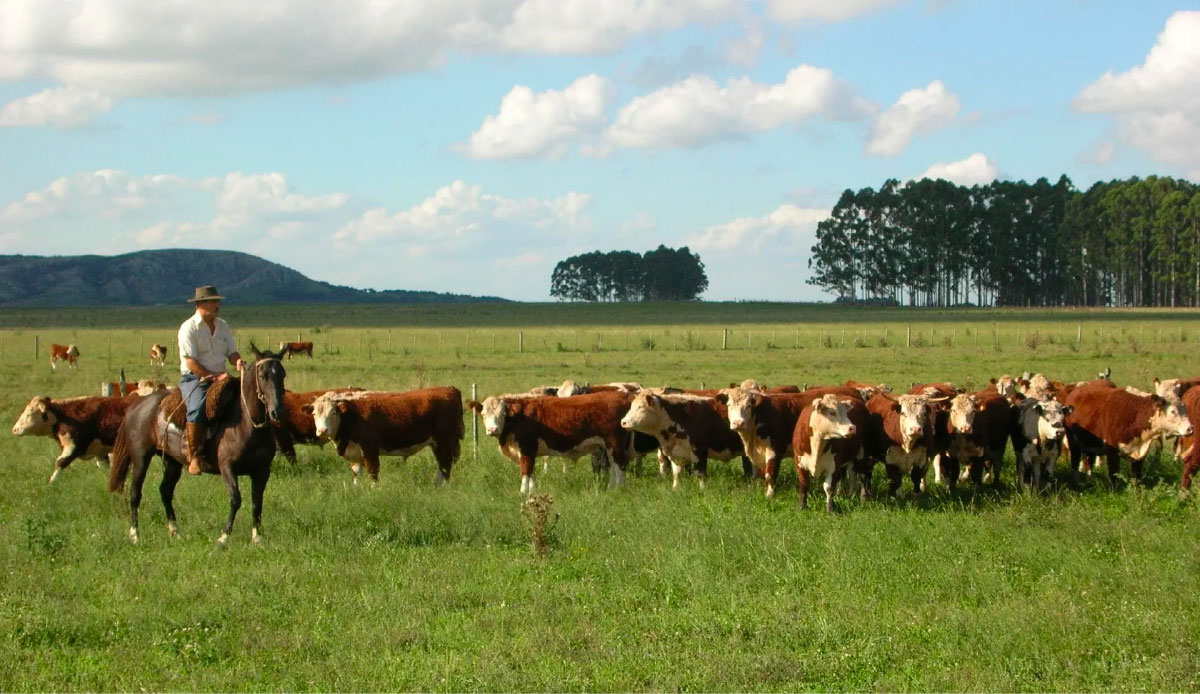
First, a word about cows. Cows are ruminants, with a digestive system far different from our own. We'll spare you the details, but with four stomachs and unique functional properties, cows can do something we can't: digest cellulose (plants and residues) and convert it to protein. That is, cows are built to eat grass. They're happy and healthy when they do.
Conventional beef, the kind you're used to seeing at a grocery store, comes from grain-fed cattle that are raised in feedlots. Animal welfare implications deserve an entirely different post, but we'd be remiss to neglect a few glaring issues:
- Cows are not evolved to eat corn or grain. After 6 months of life, conventional cattle are forced to eat grain and corn to expedite weight gain at a lower cost.
- This means cows get sick with conditions including liver damage, acidosis, and blood disease. As a result, cows are given large doses of preventative antibiotics in their feed.
- Feedlot conditions are stressful and unnatural. Rather than being bred on pastures, as nature intended, cows are packed into close quarters and in unsanitary conditions.
With these considerations, it's only logical that grass-fed, pastured cattle produce a superior product.
THE SKINNY ON GRASS-FED HEALTH BENEFITS
The evidence promoting health benefits of grass-fed beef continues to mount. In a nutshell, when compared to conventionally-raised, grain-fed beef, grass-fed beef has:
- Fewer calories
- Less overall fat and less saturated fat
- More good fats, including Omega-3s and CLA, and their predecessors
- Higher levels of essential vitamins and minerals, including beta-carotene, Vitamin E, B Vitamins, calcium, magnesium, and potassium
- Lower incidence of bacteria, including E. Coli
We'll dive into the headlines, but there's no lack of detail elsewhere. For the academics, check out the excellent meta-study published in Nutrition Journal. Eat Wild is another comprehensive resource for detailed studies and research.
Grass-fed beef is lower in fat and calories
We don't believe fat or calories are the end-all, be-all when it comes to health. However, many Americans struggle with weight and associated health conditions. Weight always comes down to calories in vs. calories out. A 6 oz steak from a grass-fed cow can have 100 fewer calories than the same cut from a grain-fed steer. And grass-fed beef can have 1/3 as much fat as grain-fed.