

Walk into the meat section of your grocery store and you're greeted by a wall of cuts — strip, ribeye, sirloin, filet, chuck, brisket, and more. Knowing what to do with each one can feel overwhelming. The good news: every cut has a sweet-spot cooking method, and once you know the basics, you'll cook better beef without second-guessing.
In this series, we're breaking down every cut and matching it to the cooking technique that brings out its best. Part 1 covers the dry-heat methods — grilling, pan-searing, broiling, and roasting — and the tender, well-marbled cuts that thrive with them. Part 2 covers moist-heat methods for tougher cuts that need time and liquid to shine.
Dry-heat methods at a glance
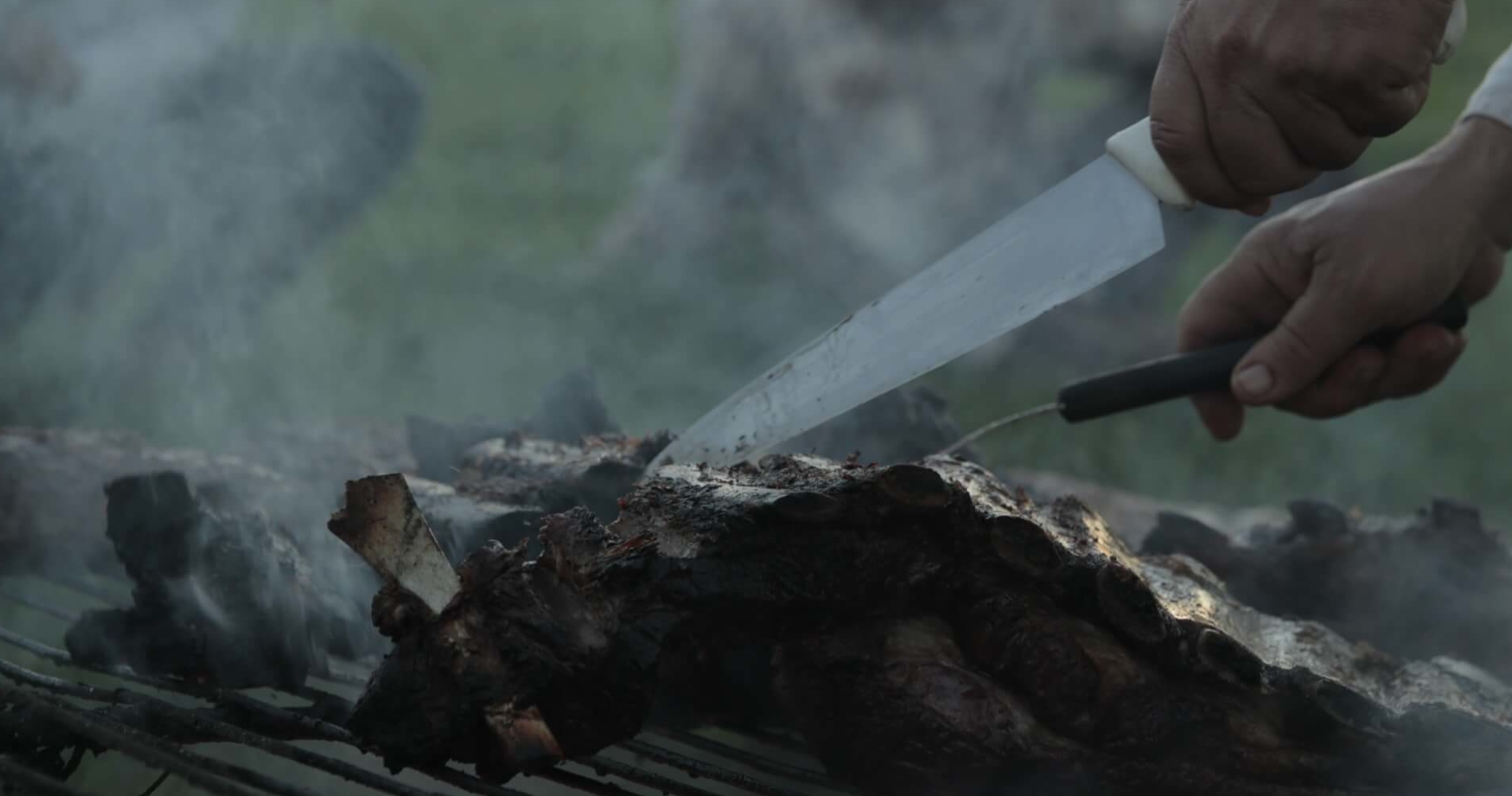
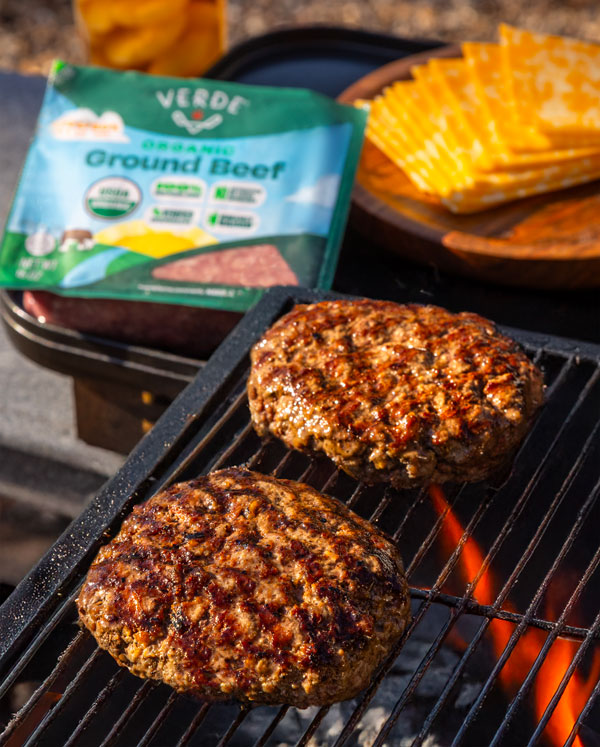
- Grilling — high direct heat, fast cook. Best for steaks 1-1.5 inches thick.
- Pan-searing — high heat in a cast iron or stainless skillet. Restaurant-style crust at home.
- Broiling — top-down high heat in your oven. A solid grill alternative when the weather isn't cooperating.
- Roasting — moderate dry heat in the oven. Used for larger cuts (3+ pounds) that need slow, even cooking.
The cuts and their methods
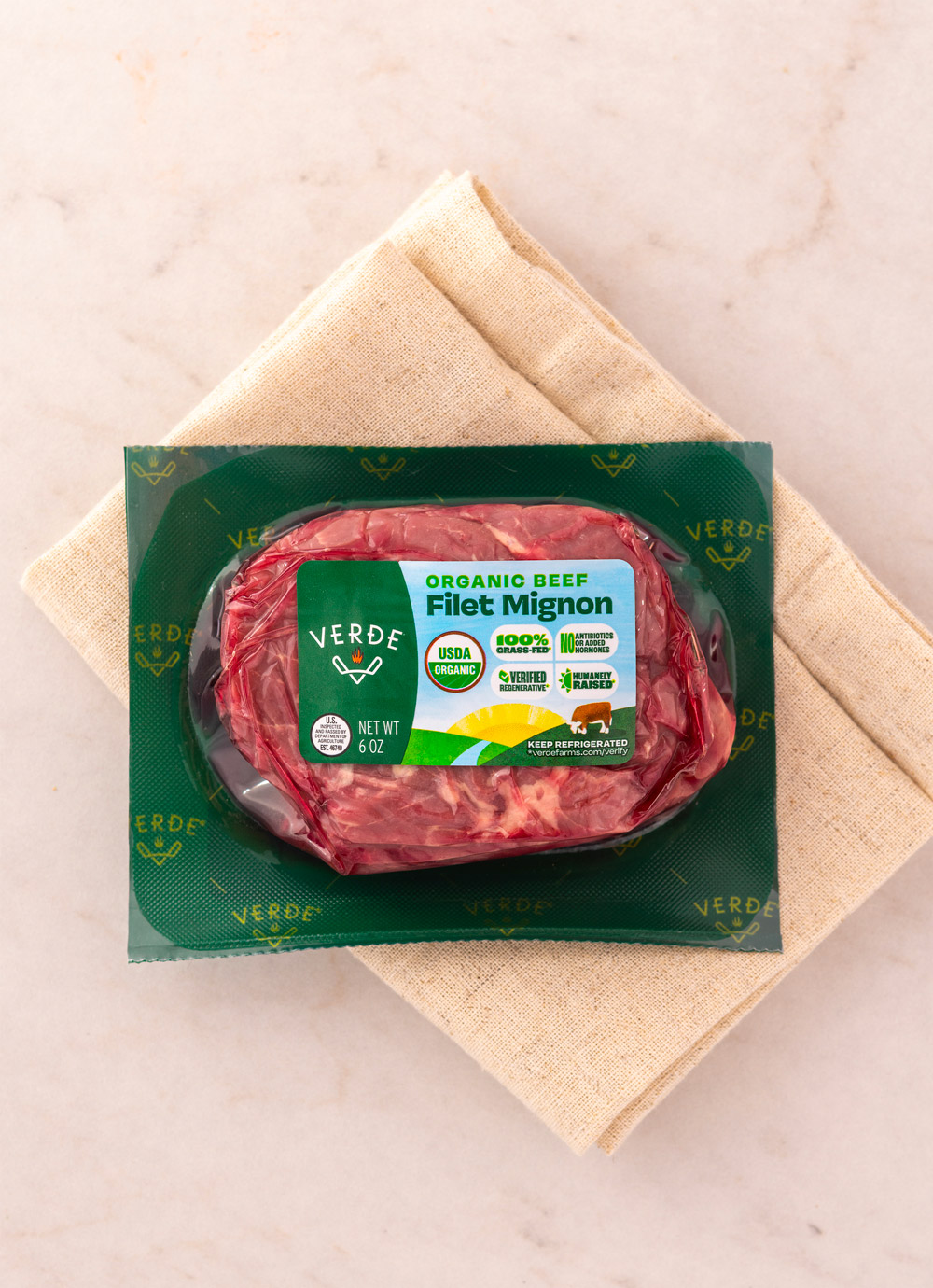
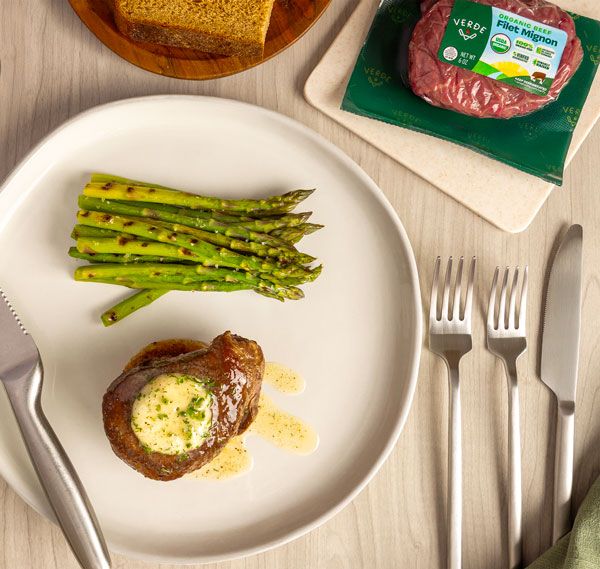
Filet Mignon. The most tender cut, with almost no fat. Sear hard on the stovetop in a cast iron pan, finish in the oven. Or grill quickly over high heat. 4-5 minutes per side gets you medium rare.
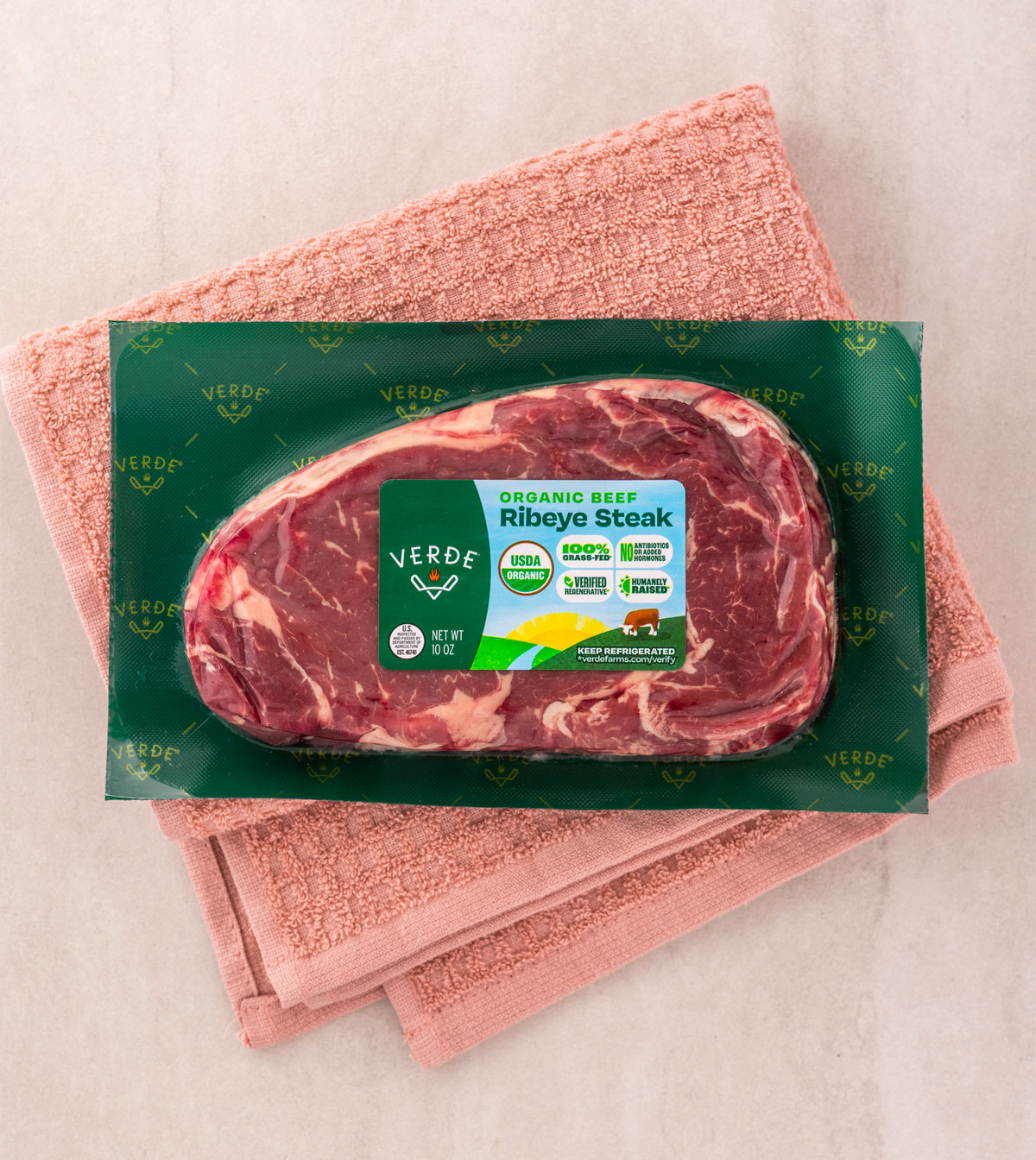
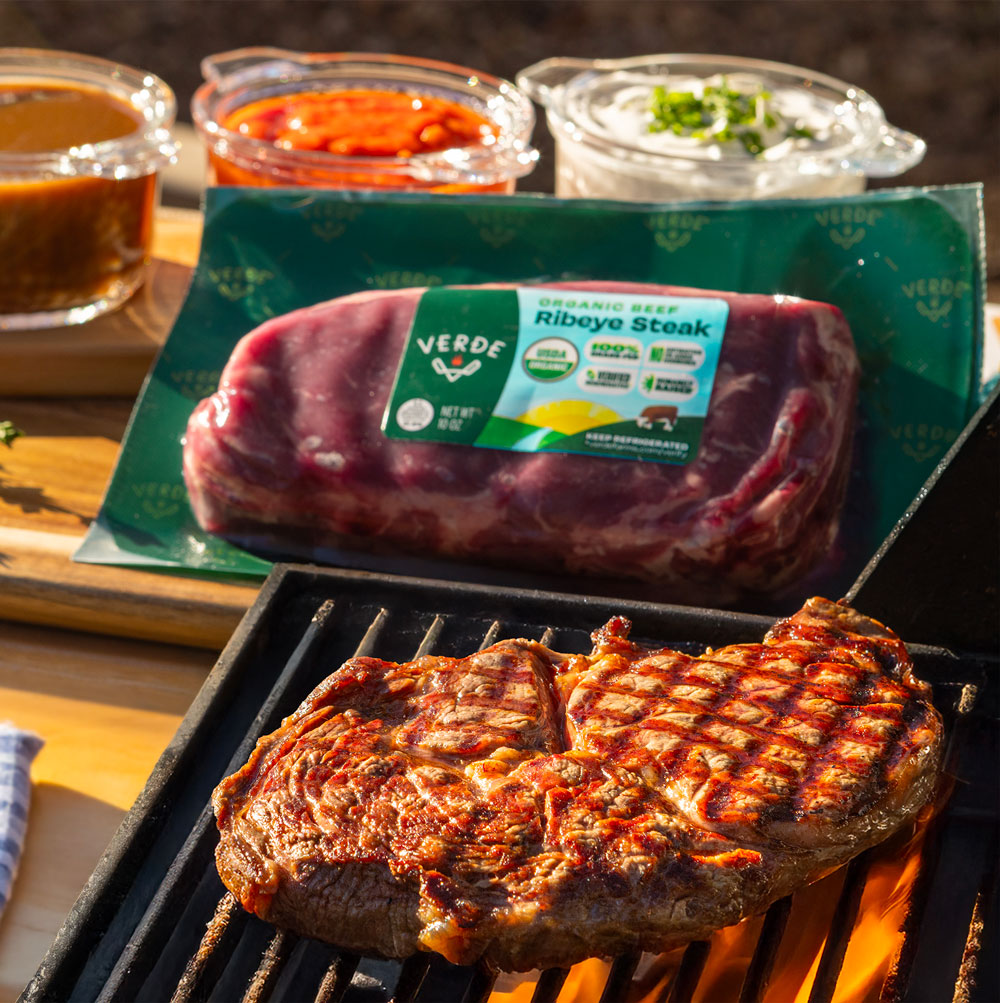
Ribeye. Heavily marbled, full-flavored. Grill or pan-sear is ideal — the fat renders into the meat as it cooks. Cook to medium rare; the marbling keeps it juicy.
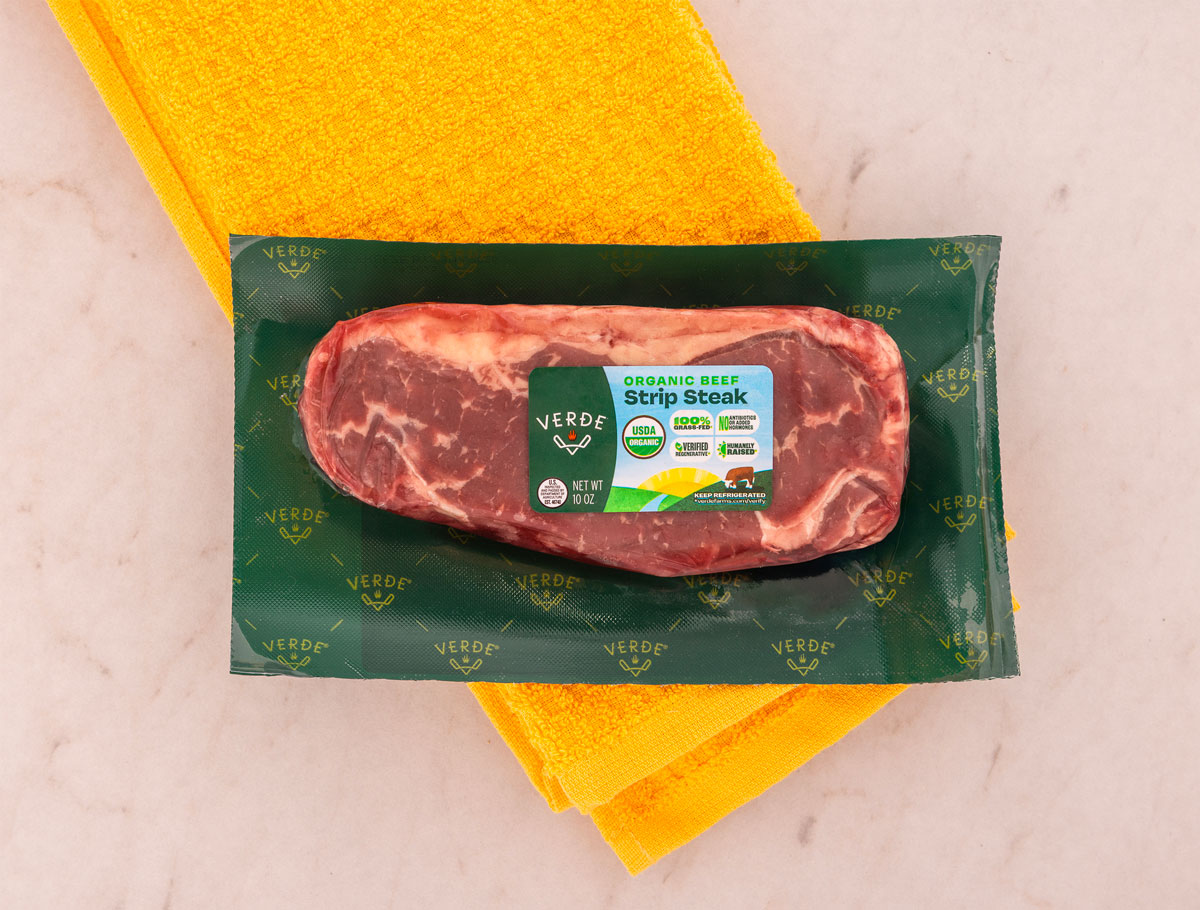
New York Strip. A balance of tenderness and chew, with a great beefy flavor. Pan-sear or grill, 4-6 minutes per side for medium rare.
Sirloin. Leaner and more affordable than strip or ribeye, with great flavor. Grill or broil. Slice against the grain to maximize tenderness.
Tenderloin Roast. The whole filet, roasted. Sear all sides in a pan, then roast at 425°F until an internal temp of 130°F for medium rare.
Top Round Roast. Roast at 325°F. Benefits from a longer, gentler cook to stay juicy.
Whichever cut you reach for, two universal rules apply: let it come to room temperature before cooking, and rest it after. Then dig in.
Ready for the slower side? Continue to Part 2: Moist-Heat Methods →